Species guide
What is actually being cut down.
A specimen live oak and a coconut palm both count as “a tree” in a mitigation plan. They are not the same. This guide grounds the permit data in what each species actually does for Miami — shade, stormwater, hurricane resilience, and how long it takes to grow back.
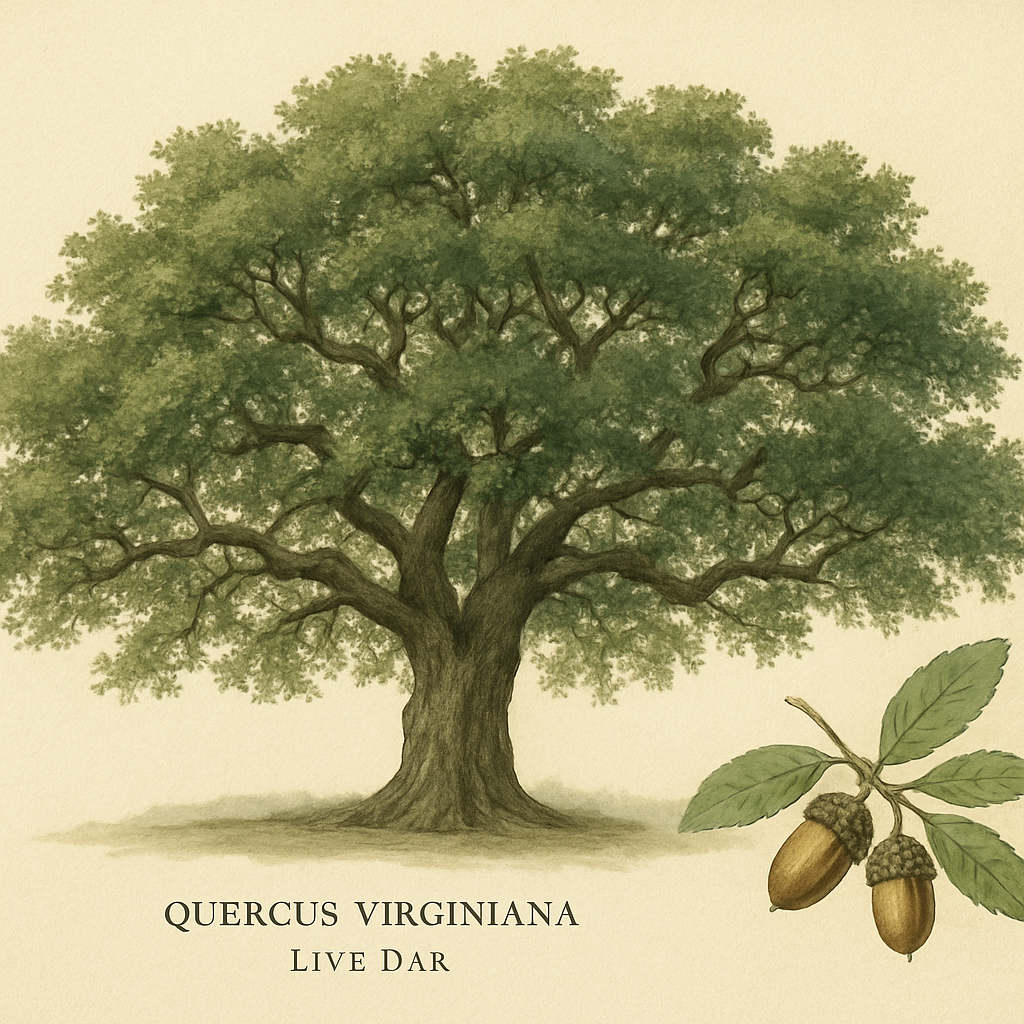
Live Oak
Quercus virginiana
NativeRecommended“Miami's keystone canopy tree.”
The keystone canopy tree of South Florida. Long-lived, hurricane-tolerant, and the single largest contributor to neighborhood shade and stormwater interception in Miami. Removing a mature live oak is functionally irreversible at human timescales.
- Mature DBH
- 48″
- Canopy spread
- 80 ft
- Lifespan
- up to 300 yr
- CO₂ / yr
- 220 kg
- Stormwater / yr
- 4,200 gal
- In dataset
- 25 permits
- 21 removals
Specimen-tree protections apply when DBH ≥ 18 in.
Time to recover one mature specimen
~300 years on a 300-year scale.
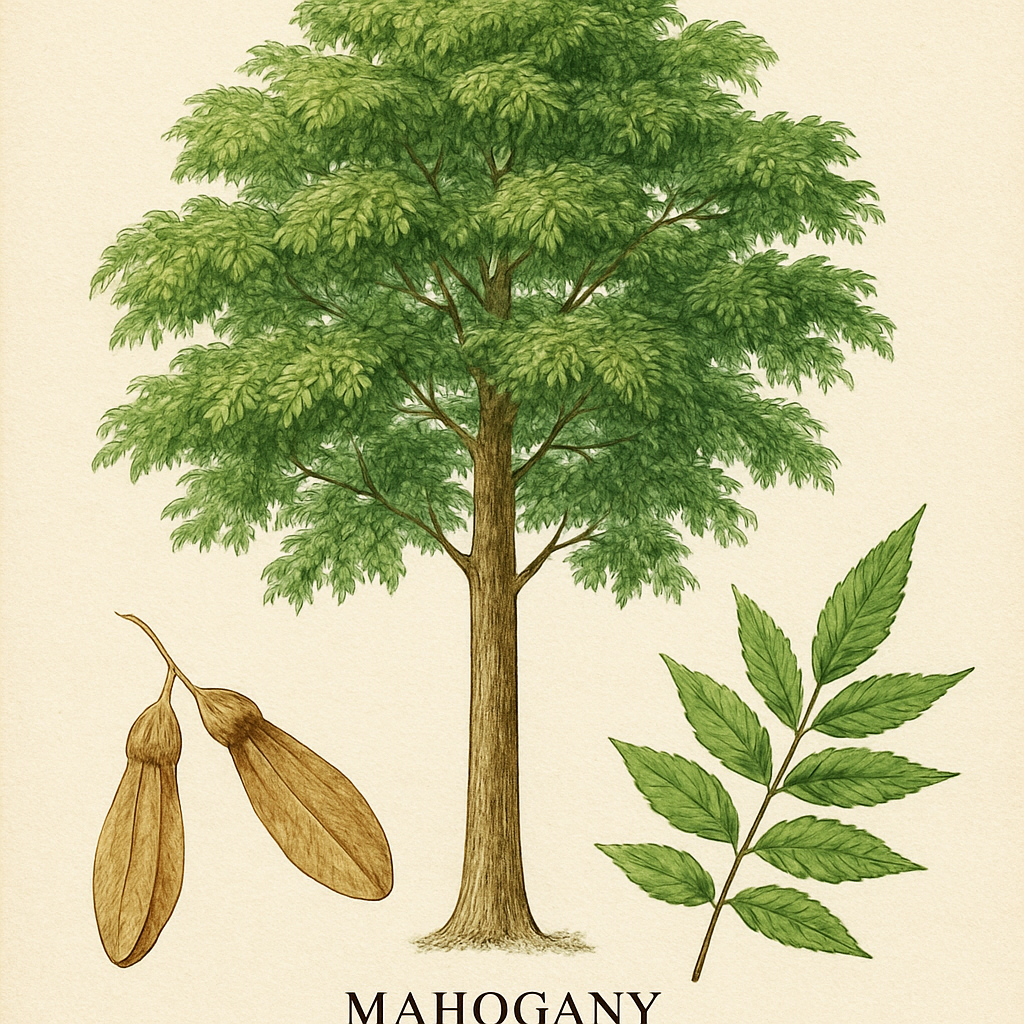
Mahogany
Swietenia mahagoni
NativeRecommended“Florida-native shade tree, threatened in the wild.”
Florida-native shade tree, threatened in the wild. Common in older Coconut Grove and Coral Way streetscapes; replacing one is a multi-decade undertaking.
- Mature DBH
- 36″
- Canopy spread
- 60 ft
- Lifespan
- up to 200 yr
- CO₂ / yr
- 180 kg
- Stormwater / yr
- 3,100 gal
- In dataset
- 21 permits
- 16 removals
Specimen-tree protections apply when DBH ≥ 18 in.
Time to recover one mature specimen
~200 years on a 300-year scale.
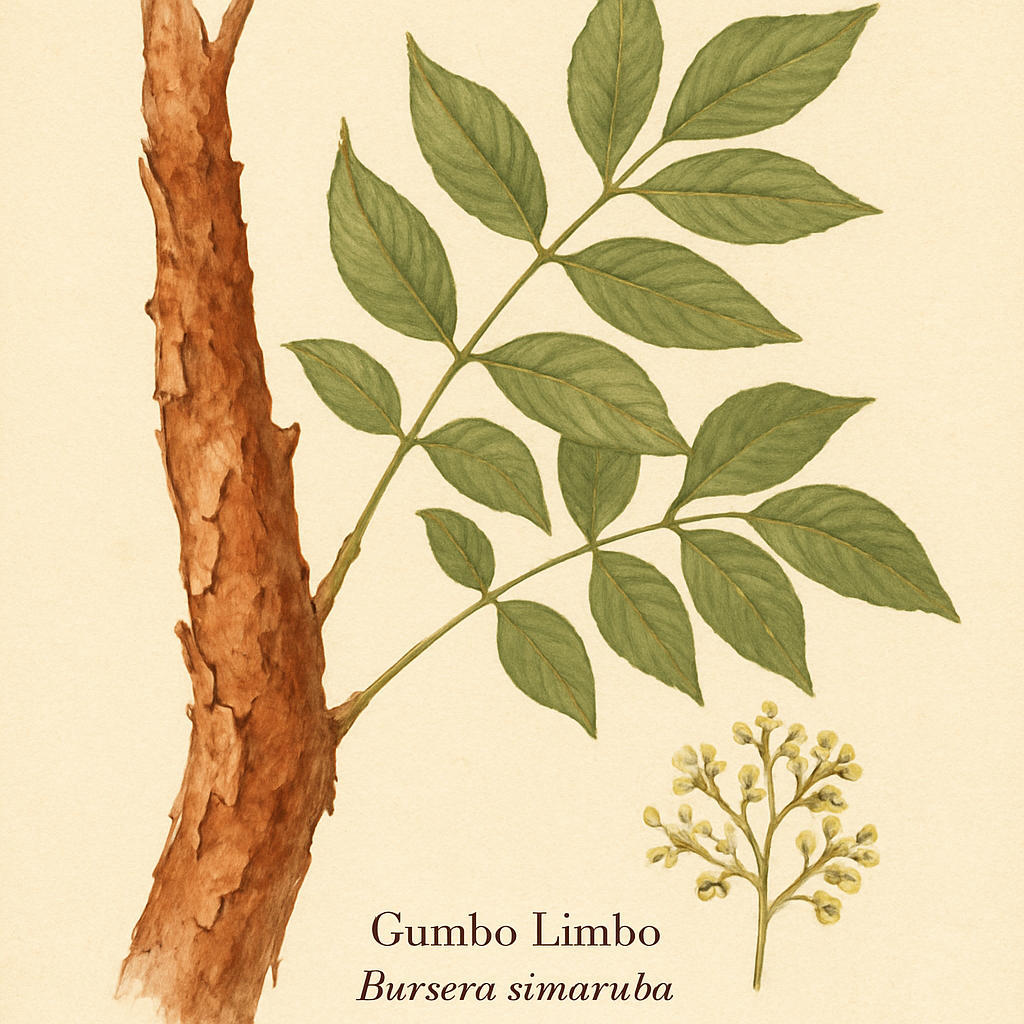
Gumbo Limbo
Bursera simaruba
NativeRecommended“The 'tourist tree' — peeling red bark, hurricane-proof.”
Known as the 'tourist tree' for its peeling red bark. Extremely hurricane-tolerant — broken branches root readily, making it one of the most resilient natives.
- Mature DBH
- 24″
- Canopy spread
- 45 ft
- Lifespan
- up to 150 yr
- CO₂ / yr
- 110 kg
- Stormwater / yr
- 1,800 gal
- In dataset
- 9 permits
- 5 removals
Time to recover one mature specimen
~150 years on a 300-year scale.
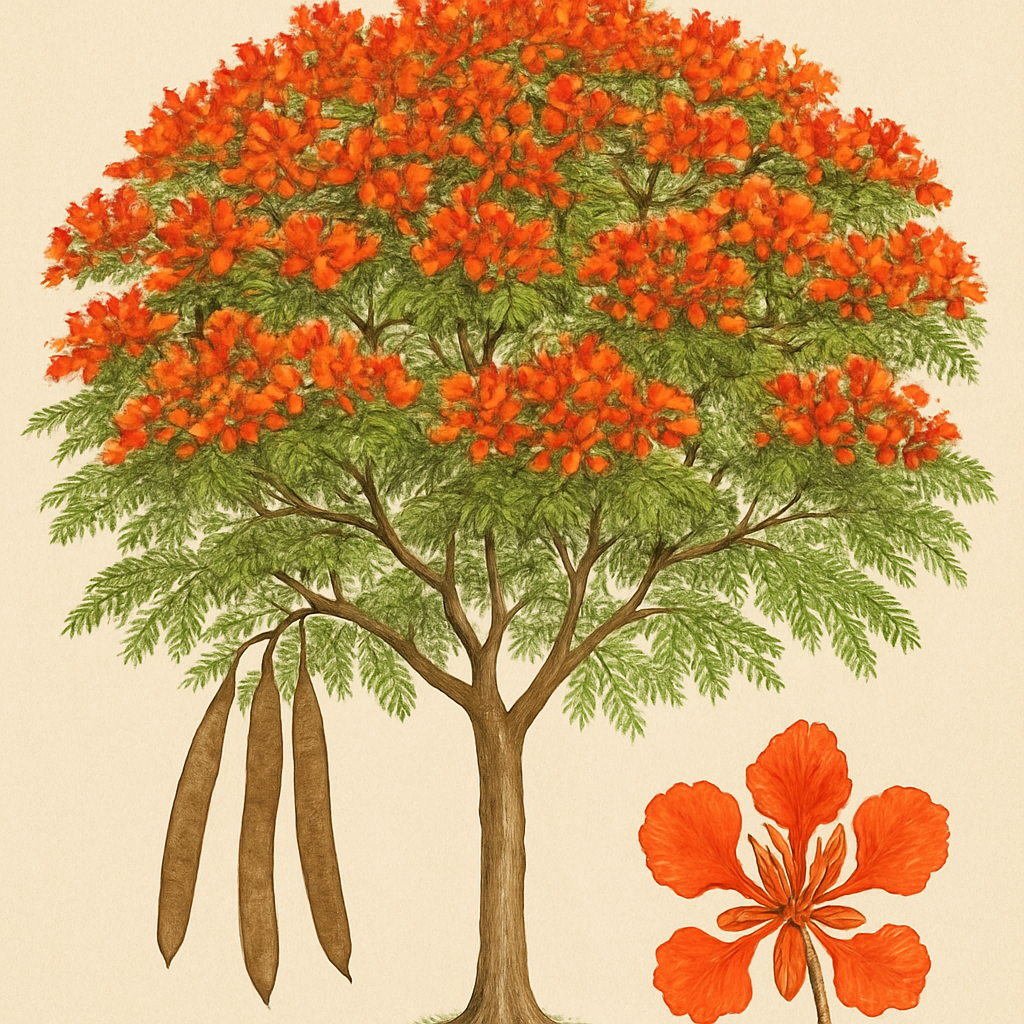
Royal Poinciana
Delonix regia
IntroducedCaution“Flame-orange canopy in June. Brittle in storms.”
Iconic flame-orange flowering tree. Not native, but widely planted and culturally significant. Wood is brittle in storms.
- Mature DBH
- 30″
- Canopy spread
- 50 ft
- Lifespan
- up to 60 yr
- CO₂ / yr
- 130 kg
- Stormwater / yr
- 2,200 gal
- In dataset
- 15 permits
- 5 removals
Time to recover one mature specimen
~60 years on a 300-year scale.
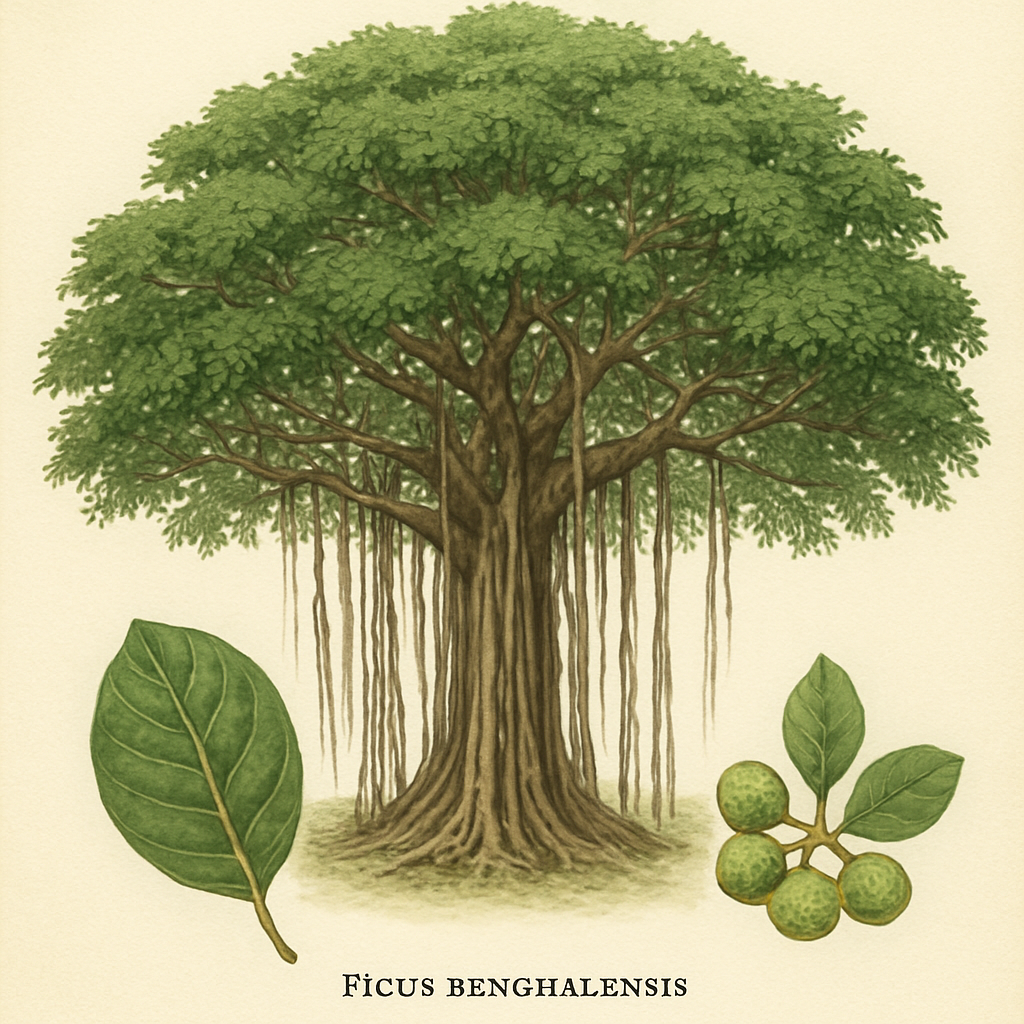
Banyan
Ficus benghalensis
IntroducedCaution“Aerial-rooted giants of old Coconut Grove.”
Massive aerial-rooted figs. Many of Miami's most beloved street trees are banyans, but their roots conflict with infrastructure, often listed as removal candidates.
- Mature DBH
- 60″
- Canopy spread
- 100 ft
- Lifespan
- up to 250 yr
- CO₂ / yr
- 260 kg
- Stormwater / yr
- 5,400 gal
- In dataset
- 14 permits
- 9 removals
Time to recover one mature specimen
~250 years on a 300-year scale.
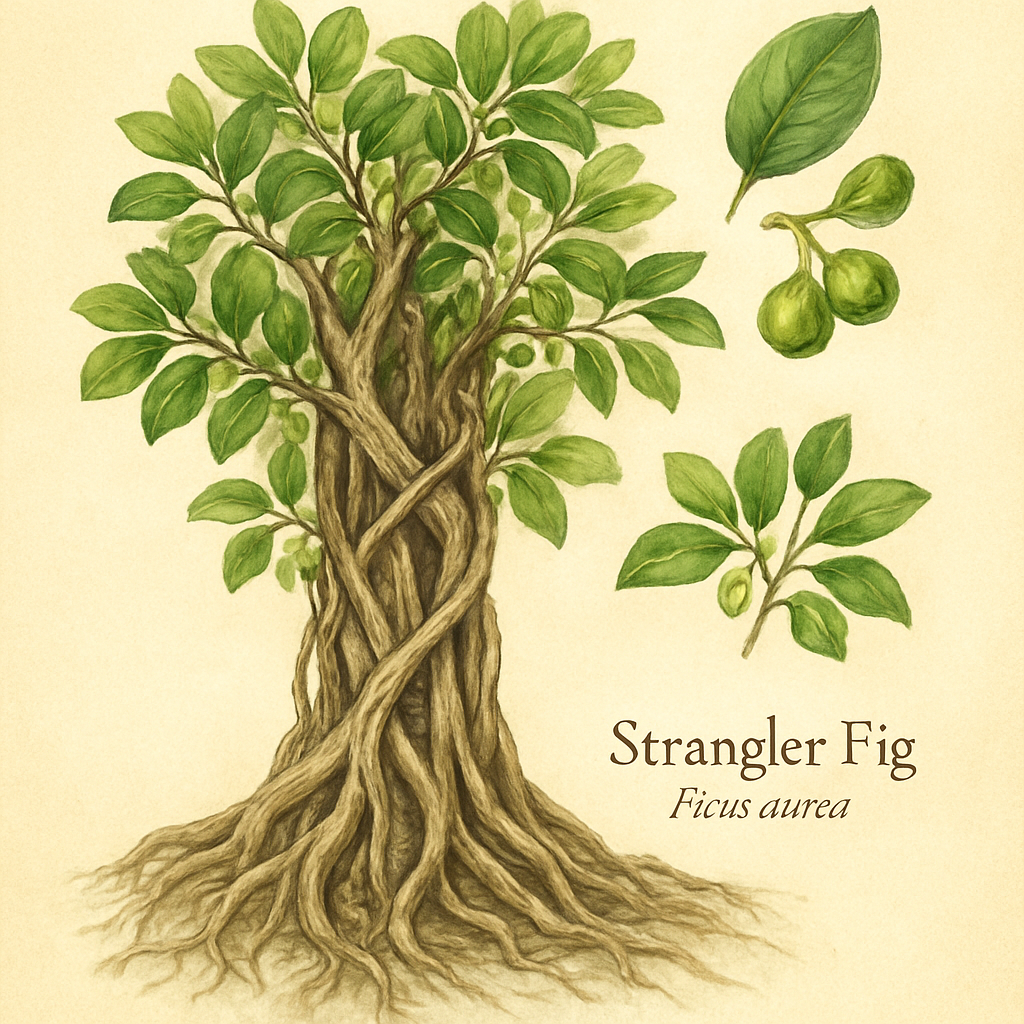
Strangler Fig
Ficus aurea
NativeRecommended“Florida-native fig that begins life as an epiphyte.”
Florida-native fig that begins life as an epiphyte. Important for wildlife — fruits feed dozens of bird species year-round.
- Mature DBH
- 40″
- Canopy spread
- 60 ft
- Lifespan
- up to 200 yr
- CO₂ / yr
- 190 kg
- Stormwater / yr
- 3,400 gal
- In dataset
- 13 permits
- 9 removals
Time to recover one mature specimen
~200 years on a 300-year scale.
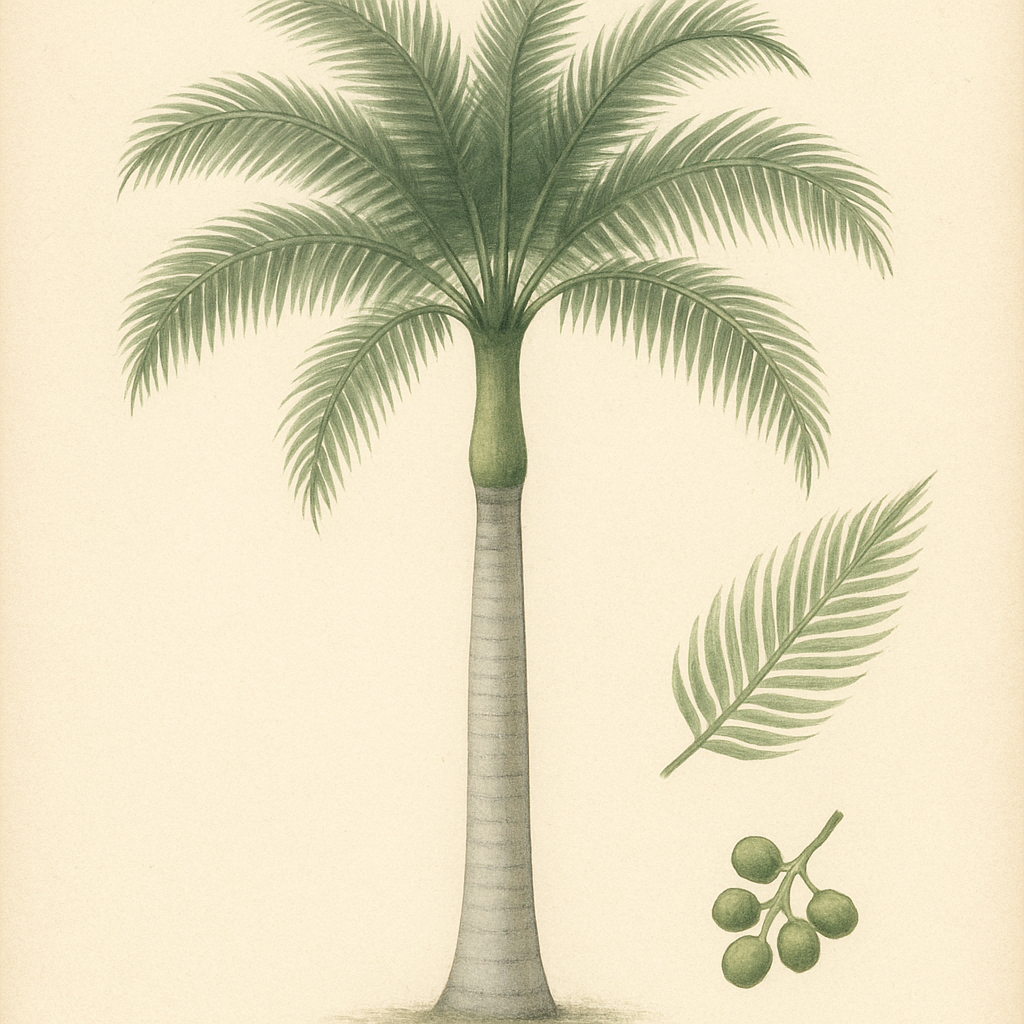
Royal Palm
Roystonea regia
NativeRecommended“Stately columnar palm. Token canopy replacement.”
Stately columnar palm. Counts as a tree under city code but provides a fraction of the canopy of broadleaf species — a common 'replacement' that does not actually replace.
- Mature DBH
- 24″
- Canopy spread
- 25 ft
- Lifespan
- up to 100 yr
- CO₂ / yr
- 40 kg
- Stormwater / yr
- 600 gal
- In dataset
- 8 permits
- 2 removals
Time to recover one mature specimen
~100 years on a 300-year scale.
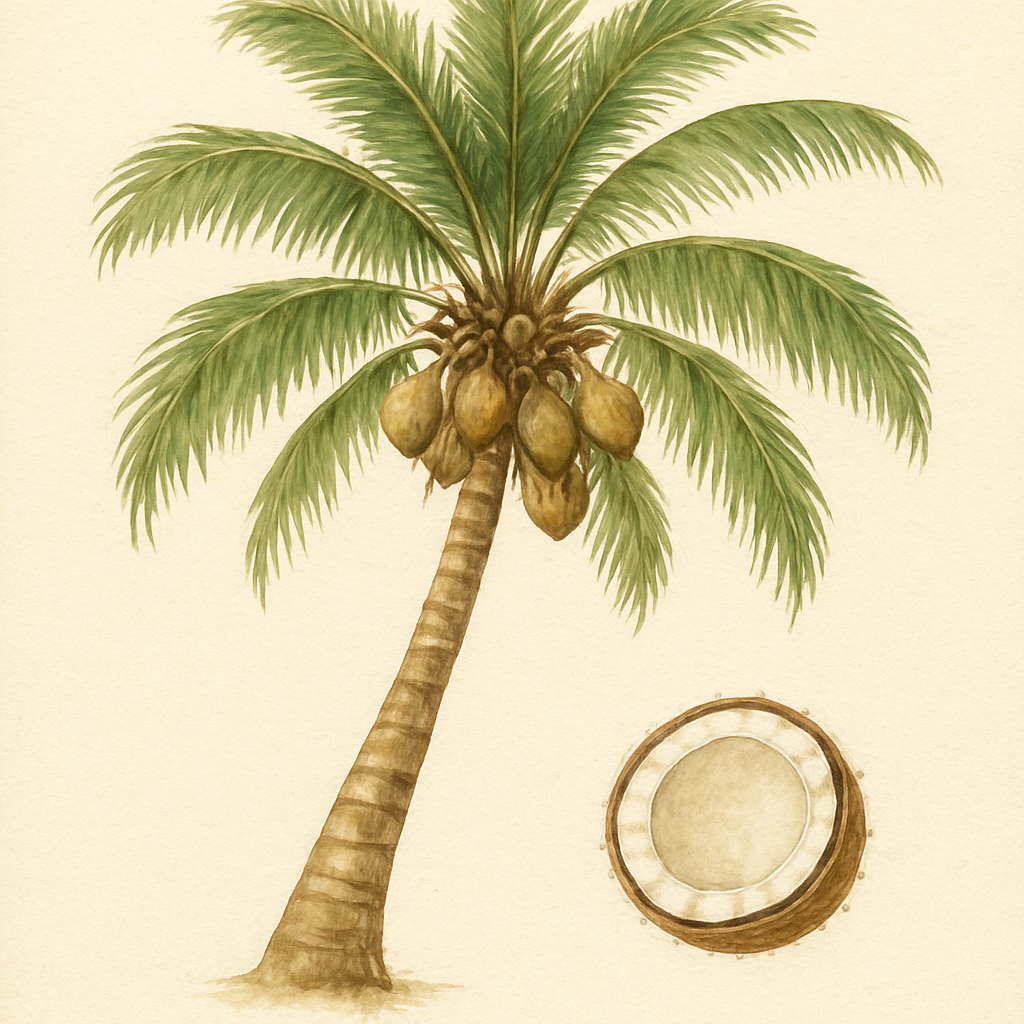
Coconut Palm
Cocos nucifera
IntroducedCaution“Iconic but ecologically thin.”
Iconic but ecologically thin. Frequently used as a token replacement after specimen-tree removals on redevelopment sites.
- Mature DBH
- 18″
- Canopy spread
- 25 ft
- Lifespan
- up to 80 yr
- CO₂ / yr
- 30 kg
- Stormwater / yr
- 500 gal
- In dataset
- 7 permits
- 2 removals
Time to recover one mature specimen
~80 years on a 300-year scale.
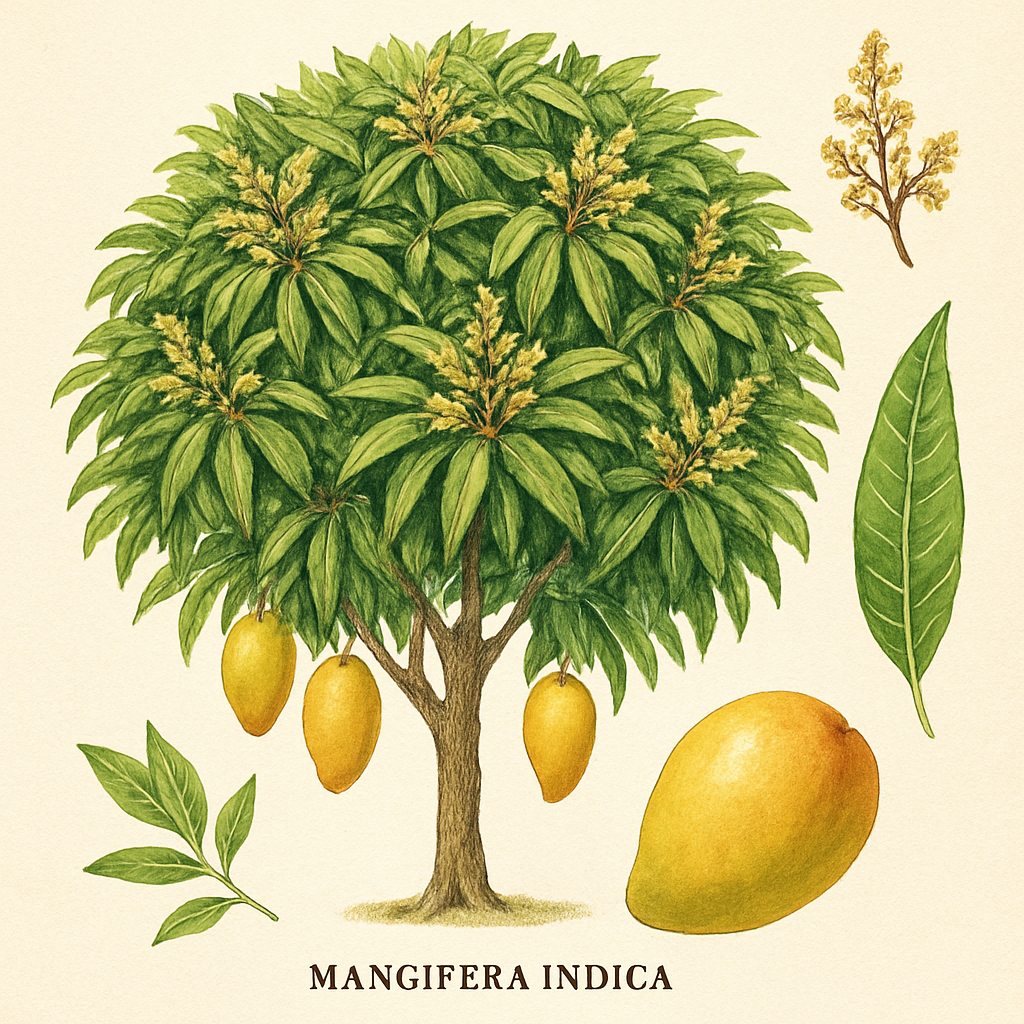
Mango
Mangifera indica
IntroducedRecommended“Backyard institution. Removal is a flashpoint.”
Beloved backyard tree across Miami. Provides dense shade and food. Removal of mature mangos is a frequent neighborhood flashpoint.
- Mature DBH
- 30″
- Canopy spread
- 45 ft
- Lifespan
- up to 100 yr
- CO₂ / yr
- 120 kg
- Stormwater / yr
- 1,900 gal
- In dataset
- 12 permits
- 6 removals
Time to recover one mature specimen
~100 years on a 300-year scale.
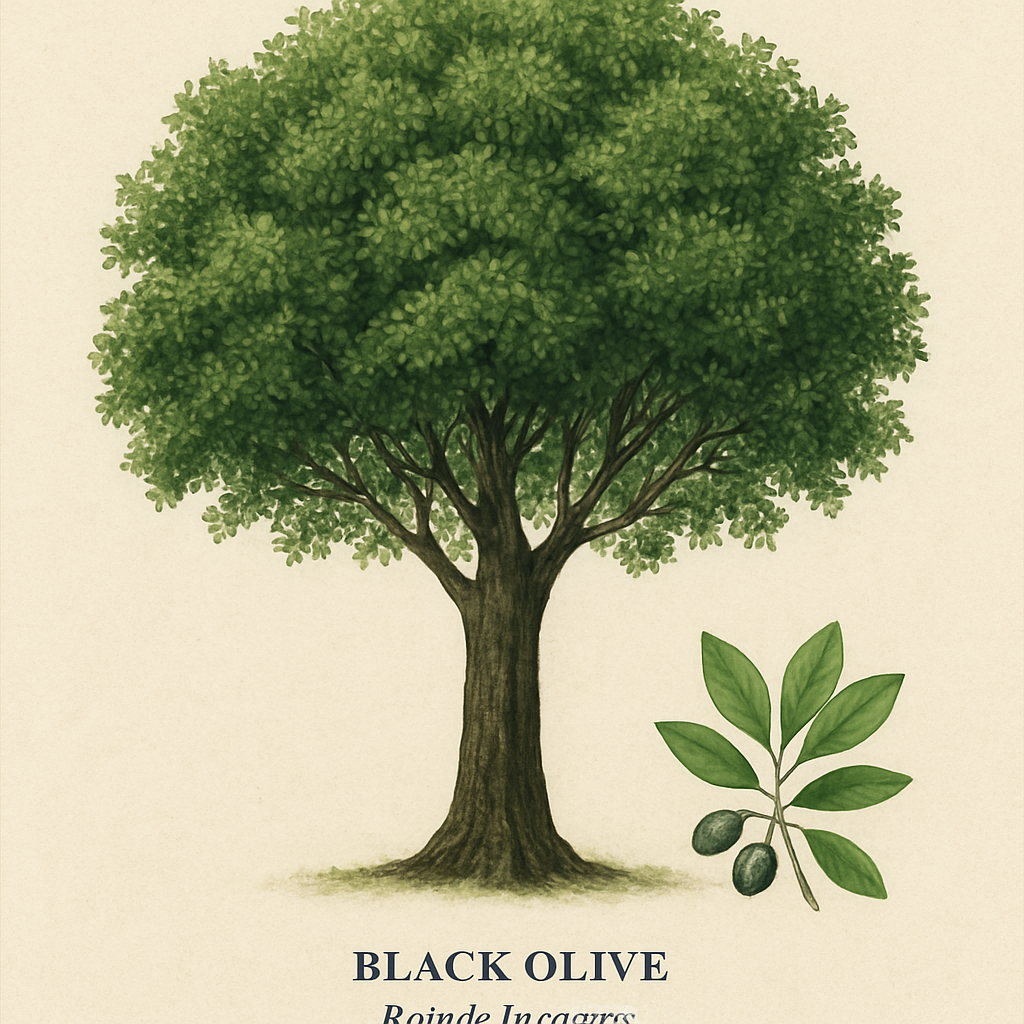
Black Olive
Bucida buceras
IntroducedCaution“Tough urban tree, controversial fruit.”
Tough urban tree, but staining fruits and brittle limbs make it a controversial street species.
- Mature DBH
- 24″
- Canopy spread
- 40 ft
- Lifespan
- up to 80 yr
- CO₂ / yr
- 95 kg
- Stormwater / yr
- 1,600 gal
- In dataset
- 5 permits
- 3 removals
Time to recover one mature specimen
~80 years on a 300-year scale.
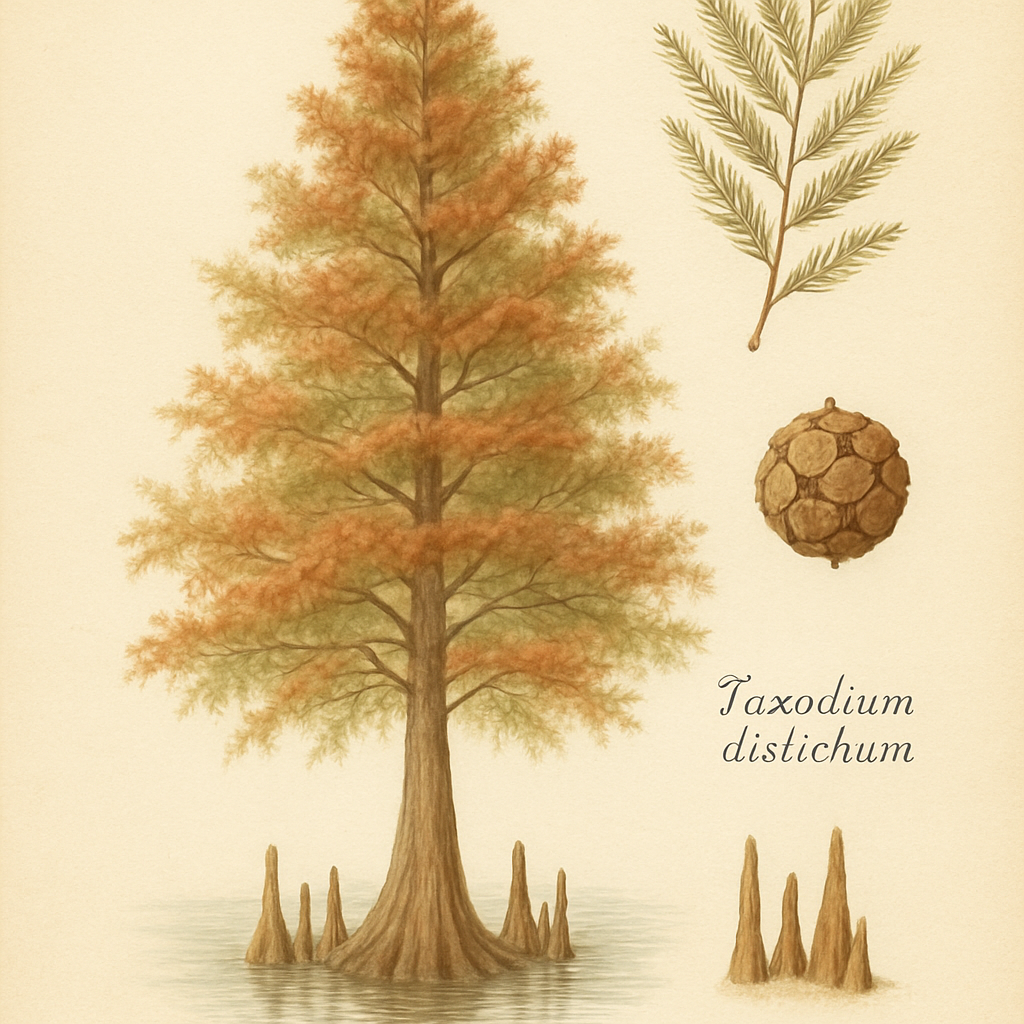
Bald Cypress
Taxodium distichum
NativeRecommended“Florida-native deciduous conifer. Loves wet feet.”
Florida-native deciduous conifer. Thrives in standing water — increasingly relevant as Miami plans for wetter streets.
- Mature DBH
- 48″
- Canopy spread
- 50 ft
- Lifespan
- up to 600 yr
- CO₂ / yr
- 240 kg
- Stormwater / yr
- 6,200 gal
- In dataset
- 9 permits
- 7 removals
Time to recover one mature specimen
~600 years on a 300-year scale.
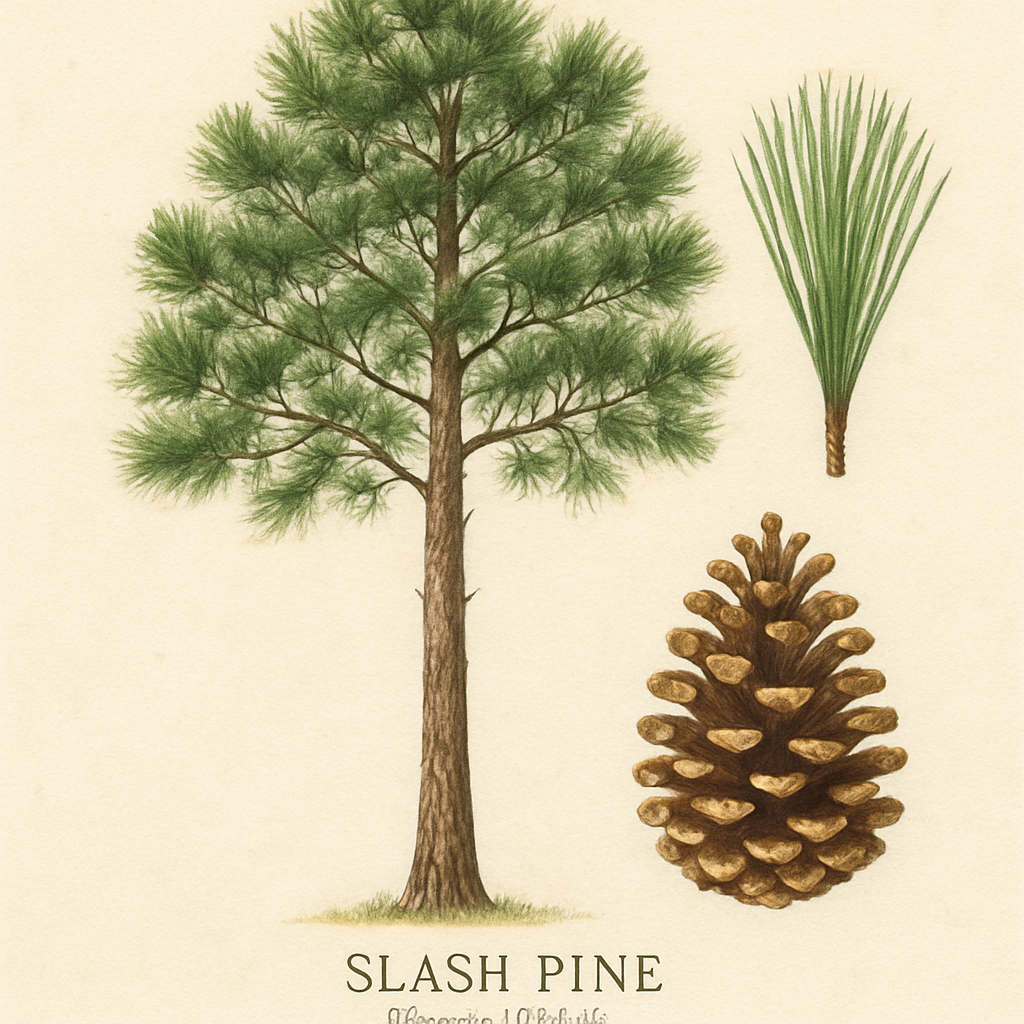
Slash Pine
Pinus elliottii
NativeRecommended“The lost pinelands of Miami Rock Ridge.”
Florida-native pine that defined Miami's original pine rocklands — one of the world's rarest forest types, 98% destroyed by development.
- Mature DBH
- 28″
- Canopy spread
- 35 ft
- Lifespan
- up to 200 yr
- CO₂ / yr
- 130 kg
- Stormwater / yr
- 1,500 gal
- In dataset
- 6 permits
- 3 removals
Time to recover one mature specimen
~200 years on a 300-year scale.
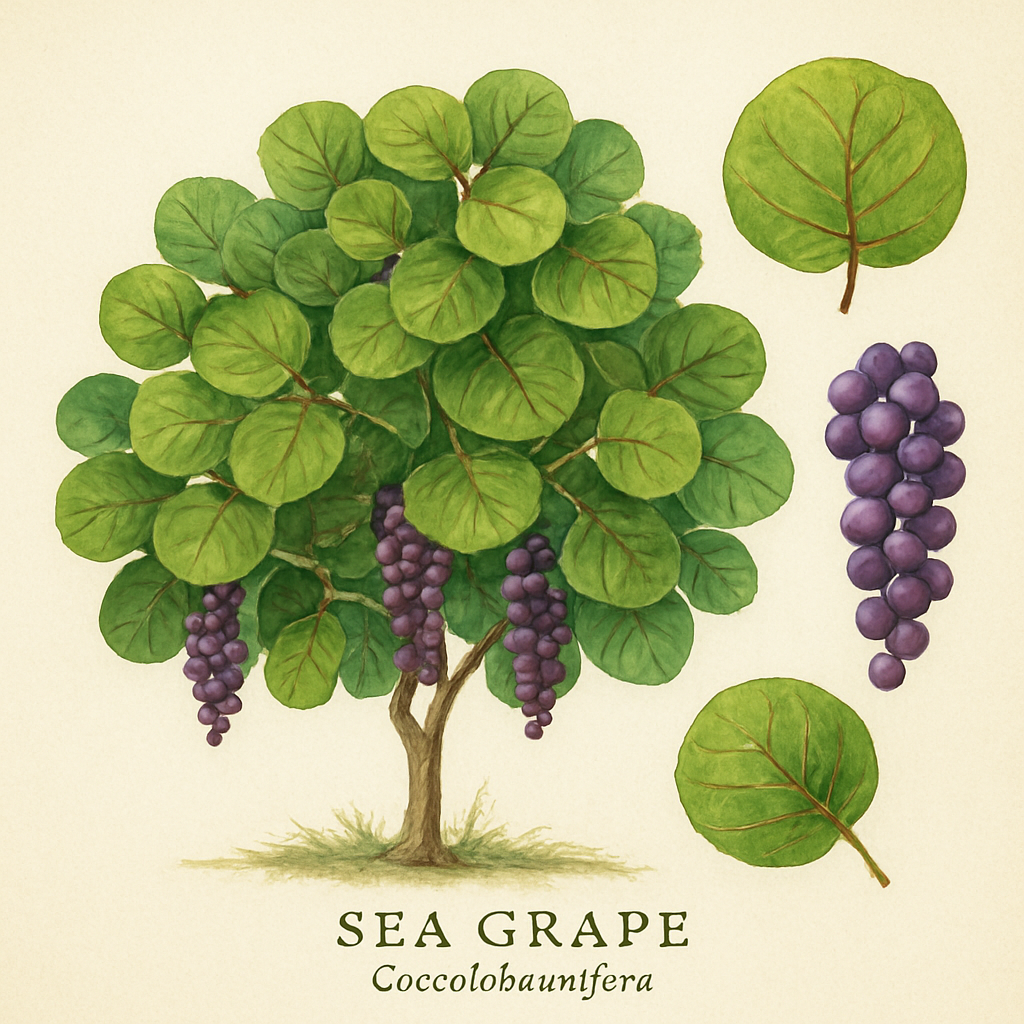
Sea Grape
Coccoloba uvifera
NativeRecommended“Coastal native. Salt-tolerant. Shoreline anchor.”
Coastal native with rounded leaves. Salt-tolerant; vital for shoreline stabilization.
- Mature DBH
- 20″
- Canopy spread
- 30 ft
- Lifespan
- up to 70 yr
- CO₂ / yr
- 70 kg
- Stormwater / yr
- 900 gal
- In dataset
- 9 permits
- 1 removal
Time to recover one mature specimen
~70 years on a 300-year scale.
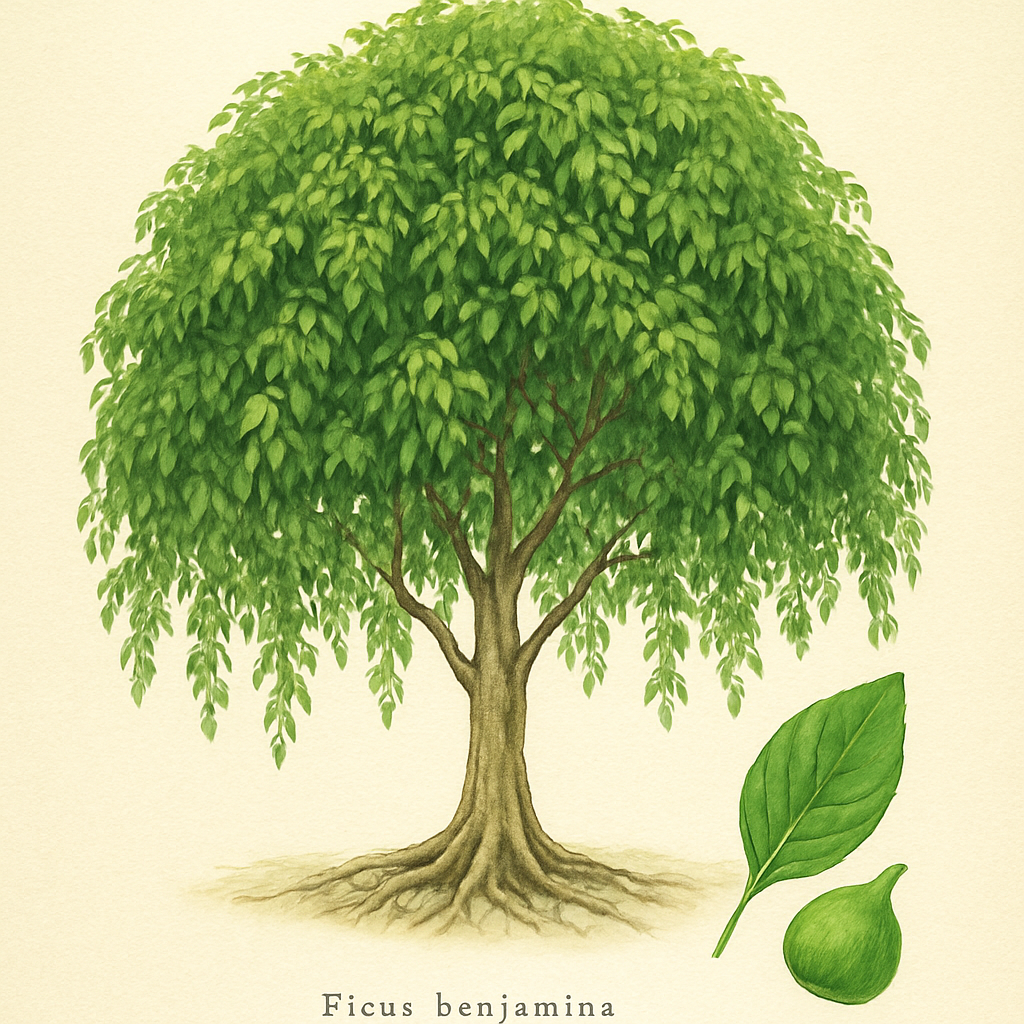
Ficus
Ficus benjamina
IntroducedInvasive“Weeping fig. Invasive roots, common in commercial landscapes.”
Weeping fig, common in older commercial landscapes. Aggressive roots cause infrastructure conflicts — one of the most frequently removed species in Miami.
- Mature DBH
- 30″
- Canopy spread
- 50 ft
- Lifespan
- up to 100 yr
- CO₂ / yr
- 150 kg
- Stormwater / yr
- 2,400 gal
- In dataset
- 3 permits
- 3 removals
Time to recover one mature specimen
~100 years on a 300-year scale.
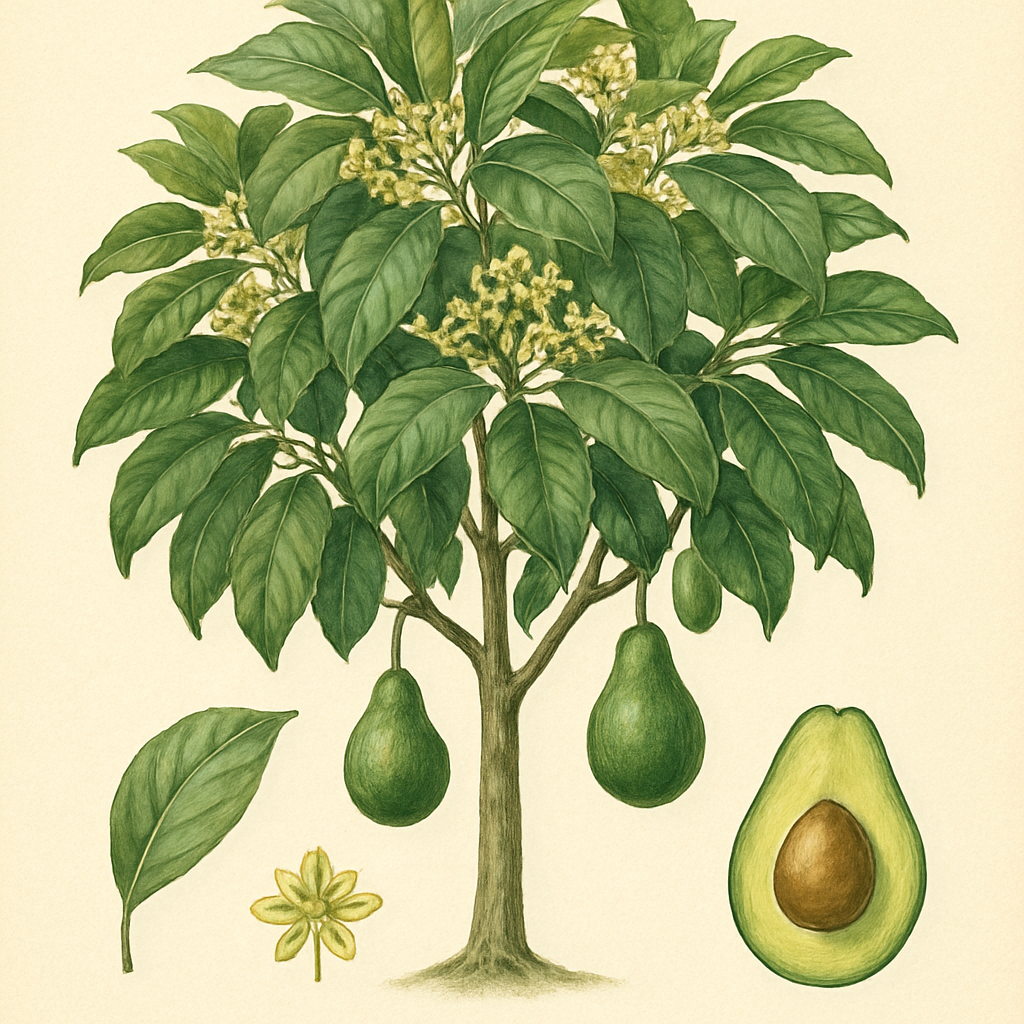
Avocado
Persea americana
IntroducedCaution“Backyard staple. Hurricane-vulnerable shallow roots.”
Backyard fruit tree common across Little Havana and Allapattah. Shallow roots make it vulnerable in hurricanes; often lost before larger native hardwoods.
- Mature DBH
- 24″
- Canopy spread
- 40 ft
- Lifespan
- up to 80 yr
- CO₂ / yr
- 90 kg
- Stormwater / yr
- 1,600 gal
- In dataset
- 4 permits
- 3 removals
Time to recover one mature specimen
~80 years on a 300-year scale.
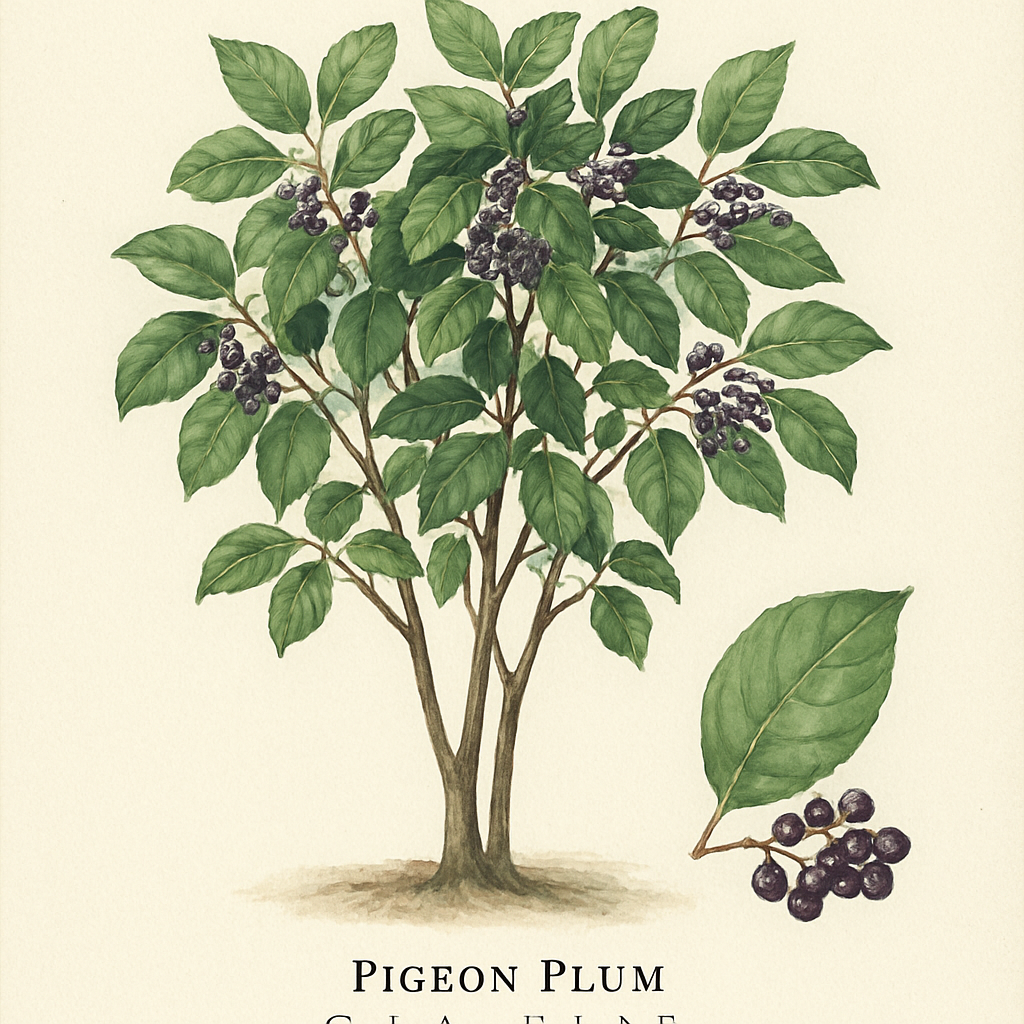
Pigeon Plum
Coccoloba diversifolia
NativeRecommended“Native understory tree. Birds love the fruit.”
Florida-native understory tree closely related to Sea Grape. Dense purple fruit supports dozens of bird species; flexible wood survives high winds.
- Mature DBH
- 18″
- Canopy spread
- 35 ft
- Lifespan
- up to 100 yr
- CO₂ / yr
- 80 kg
- Stormwater / yr
- 1,200 gal
- In dataset
- 2 permits
- 1 removal
Time to recover one mature specimen
~100 years on a 300-year scale.
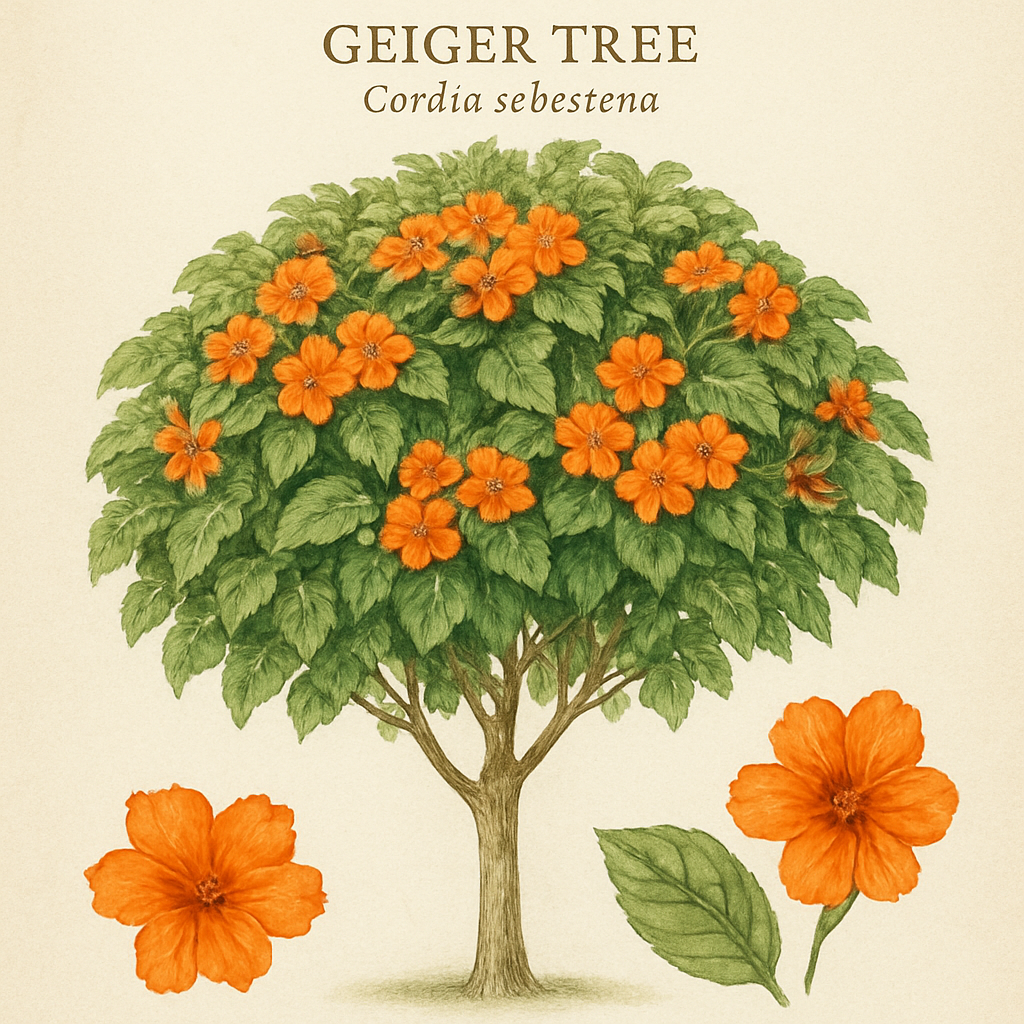
Geiger Tree
Cordia sebestena
NativeRecommended“Native flowering tree with brilliant orange blooms.”
Florida Keys native with brilliant orange trumpet-shaped flowers. Salt-tolerant and compact; popular in coastal residential landscapes.
- Mature DBH
- 12″
- Canopy spread
- 25 ft
- Lifespan
- up to 60 yr
- CO₂ / yr
- 50 kg
- Stormwater / yr
- 700 gal
- In dataset
- 2 permits
- 1 removal
Time to recover one mature specimen
~60 years on a 300-year scale.
Why species matters in mitigation
Under City of Miami code, removal of a specimen tree (DBH ≥ 18 in.) requires replacement plantings or fees-in-lieu. But a six-inch coconut palm is not a one-for-one replacement for a 110-year-old live oak. The first canopy tree column on every removal record is the one you cannot get back — not in this lifetime, not in the next.